Financial Independence After Abuse
Blooming Lilies · Published June 1, 2026
At a glance
- Secure your financial accounts and passwords.
- Understand your personal financial situation.
- Access available community and government resources.
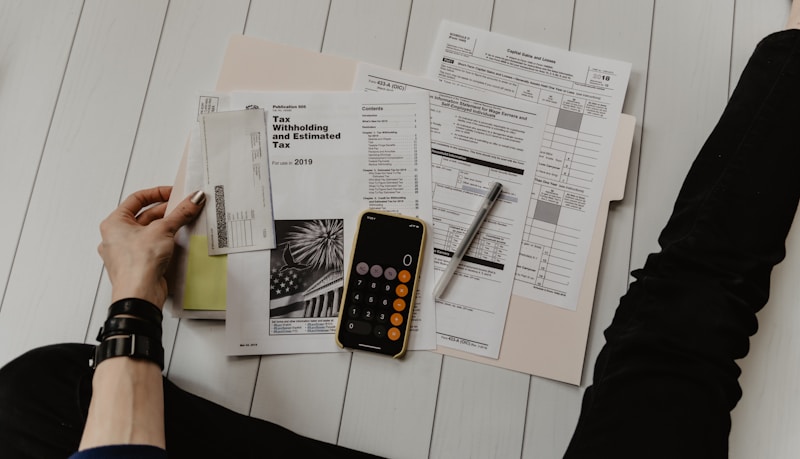
Taking Control of Your Finances
Financial abuse is one of the most common forms of domestic violence, and rebuilding financial independence is a crucial step in your recovery.
Steps to Financial Recovery
1. Secure Your Accounts
- Open accounts in your name only
- Change passwords and PINs
- Set up direct deposit to your own account
- Monitor your credit report
2. Understand Your Financial Picture
- List all income sources
- Track your expenses
- Identify debts in your name
- Gather tax returns and financial documents
3. Build a Budget
- Start with essential needs: housing, food, transportation
- Include healthcare and childcare costs
- Set aside small amounts for emergencies
- Use free budgeting tools and apps
4. Access Financial Resources
- TANF (Temporary Assistance for Needy Families)
- SNAP (food assistance)
- Medicaid for healthcare
- Local charities and churches
- Emergency assistance funds through DV organizations
5. Build Your Career
- Update your resume
- Explore job training programs
- Look into scholarships for survivors
- Consider career counseling services
Resources
- National Foundation for Credit Counseling: 1-800-388-2227
- Benefits.gov: Check eligibility for government programs
- Many DV organizations offer financial literacy programs
Remember: Financial independence is possible, and there are people ready to help you get there.
How this page was checked
- Cited sources:
- 0 listed
- Last source link check:
- No link check has succeeded yet
- Facts confirmed by a person:
- Not recorded yet
- Editorial review:
- No editorial review recorded yet
- Professional review:
- No professional review recorded
- Next review due:
- Jun 1, 2027
Review tier: General educationHow we create and review resources
For educational purposes only. Blooming Lilies does not provide legal advice. Read our full disclaimer.
Blooming Lilies publishes education, not legal, medical or clinical advice. Every situation is different, and this article cannot tell you what is safest for you. Details about services can change, so confirm them directly with the provider.
If you or someone you know would like support, the National Domestic Violence Hotline is available at 1-800-799-7233, or you can text START to 88788.