Domestic Violence Awareness Month: What It Means, How to Join In
Blooming Lilies Editorial Team · Published November 16, 2026
Domestic Violence Awareness Month is observed every October in the United States. It is a time set aside to build public understanding of abuse in relationships, to recognize survivors, and to remember people who have died because of domestic violence. You can take part in ways that feel safe and comfortable for you, from wearing purple at a community event to quietly reading an article at home. There is no single correct way to mark the month, and choosing not to participate publicly is also a completely valid choice.
At a glance
- Domestic Violence Awareness Month is an invitation, not an obligation.
- Public participation is not required, and private reflection is a valid choice.
- Your safety and comfort are more important than any symbol.
What the Month Is Meant to Do
Domestic Violence Awareness Month exists to put a spotlight on something that too often happens behind closed doors. The Centers for Disease Control and Prevention describes intimate partner violence as abuse or aggression that occurs in a romantic relationship, and notes that it can include physical violence, sexual violence, stalking, or psychological aggression. It can affect anyone, regardless of gender, age, income, or background.
The month is not about assigning blame to survivors or demanding that anyone share their story. It is simply an invitation to learn, to notice, and to support the people around us a little more intentionally. If you want to understand the signs of abuse more clearly before deciding how you feel about the month, Recognizing the Signs of Domestic Violence is a gentle place to start.
The Meaning Behind Purple, Silence, and Remembrance
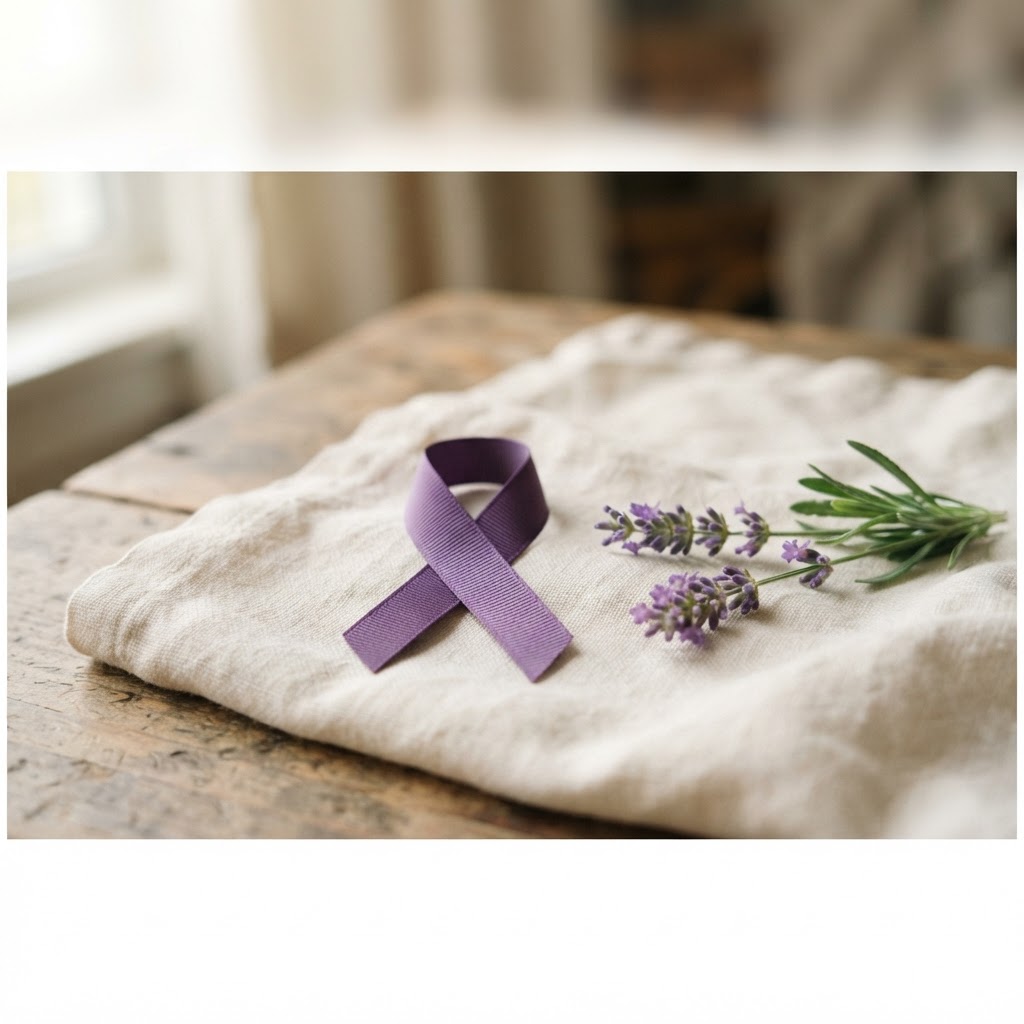
Many communities use purple as a visible sign of awareness during this month, worn as ribbons, ornaments, or clothing. Wearing purple is simply a symbol. It does not require you to explain your personal history to anyone, and plenty of people wear it simply because they care about the issue in general.
Moments of silence or quiet remembrance are also part of how some communities mark the month. These moments are meant to honor people who have died from domestic violence and to acknowledge survivors who are not able, or not ready, to speak publicly. If you find these moments meaningful, you can take part. If they feel too heavy right now, it is okay to step back or skip them entirely. Your comfort and safety matter more than any symbol.
Ways to Take Part, Described as Choices
There is no requirement to do anything during Domestic Violence Awareness Month, and every option below is something you can consider, not something you have to do.
If you are a survivor, you might choose to wear purple, attend a local event if one feels safe, or simply take a quiet moment for yourself. You might also choose to do nothing visible at all this year, and that is a legitimate way to honor where you are. If you are supporting someone you love, you could learn more about abuse so you are better prepared to listen without judgment, a topic covered in Supporting a Loved One Without Pushing Them to Decide.
Workplaces sometimes mark the month by sharing information about available resources, such as the fact that advocates at the National Domestic Violence Hotline can provide support, crisis intervention, education, and referrals to local resources. A workplace could post this kind of information in a breakroom or intranet page without singling anyone out. Faith communities might choose to include a brief mention of the month in a bulletin or offer a quiet space for reflection, while being careful not to pressure anyone to disclose personal experiences in front of others.
Organizations such as the U.S. Department of Justice's Office on Violence Against Women and Futures Without Violence offer resource libraries, fact sheets, and information aimed at survivors, parents, and professionals across healthcare, schools, and workplaces. Sharing a link to one of these resource pages is a low-pressure way for a workplace or community group to participate without overstepping.
Honoring the Month Privately, If Public Participation Feels Unsafe
For many people, wearing purple or attending an event is not possible or safe, especially if a partner monitors their activity, their phone, or their social media. If that describes your situation, How Technology Can Be Used to Monitor or Control a Partner may help you think through what feels safe to do online this month.
Private ways to mark the month can include quietly reading one article about abuse, writing a few thoughts in a private journal, or simply taking a moment to acknowledge your own experience without telling anyone. You might also use this time to think through a safety plan at your own pace, without any pressure to act on it immediately. The Hotline's advocates are available by phone at 800.799.SAFE, by text (text START to 88788), or by chat, and they can offer support privately whenever you are ready to reach out, even if you are not ready to make any decisions yet.
Questions Readers Ask
Do I have to wear purple to show I care? No. Wearing purple is one option among many, not a requirement. Reading, listening, or simply reflecting privately counts just as much.
Is it safe to post about this if my partner controls my social media? Not necessarily. If posting could put you at risk, it is reasonable to skip public participation entirely and choose a private way to mark the month instead.
Takeaway
Domestic Violence Awareness Month is an invitation, not an obligation, and there is no wrong way to observe it as long as it feels safe for you. Whether you wear purple, sit with a quiet moment of remembrance, or simply read a single resource in private, each choice is valid. This article is for general education and is not legal or clinical advice.
Where this information comes from
These pages were checked while writing this article. Each link opens in a new tab.
How this page was checked
- Cited sources:
- 4 listed
- Last source link check:
- Nov 16, 2026 (automated link check only, not a fact check)
- Facts confirmed by a person:
- Not recorded yet
- Editorial review:
- No editorial review recorded yet
- Professional review:
- No professional review recorded
- Next review due:
- Nov 16, 2027
Review tier: General educationHow we create and review resources
For educational purposes only. Blooming Lilies does not provide legal advice. Read our full disclaimer.
Blooming Lilies publishes education, not legal, medical or clinical advice. Every situation is different, and this article cannot tell you what is safest for you. Details about services can change, so confirm them directly with the provider.
If you or someone you know would like support, the National Domestic Violence Hotline is available at 1-800-799-7233, or you can text START to 88788.